Showing posts with label healthy food lifestyle. Show all posts

healthy food lifestyle :: daily meal plan ::9

This post is part of a series I am titling "healthy food lifestyle" and it details my philosophy on food as well as the "whys" behind my choices and the practicalities of the way I choose to eat. Read all the posts in this series here.

For last post in my healthy food lifestyle series, I wanted to share a sample daily menu. This is what my ideal day would like. It is healthy, yet I believe it is also realistic.

General guidelines of what to eat daily:

  • Lots of veggies, fruits, and whole grains 
  • Plenty of beans, lentils, nuts, and seeds 
  • Some lean protein 
  • Healthy fats 
  • Eat whole/”real” food; AVOID anything processed 
  • If cooking, cook lightly (do not overcook veggies and grains) 
  • Sauté, Bake, and Broil
  • and see my favorite healthy 8 here
Breakfast
Dinner
  • organic fruit (apple, pear, mango, kiwi are some of my favorite)
  • organic Greek yogurt
  • a smoothie (like listed under breakfast)
  • healthy banana split

healthy food lifestyle :: insulin resistance :: 8

This post is part of a series I am titling "healthy food lifestyle" and it details my philosophy on food as well as the "whys" behind my choices and the practicalities of the way I choose to eat. Read all the posts in this series here.

Insulin Resistance

Insulin is a fat-absorbing hormone that is produced in and released by the pancreas every time we eat. There is a theory that revolves around the frequency of eating and the idea that it is better to eat 6 small meals a day to supposedly keep your metabolism constant. This way of eating leads to “grazing” where you eat every 2-3 hours to avoid ever feeling hungry. However, when we examine this way of eating in light of insulin release, we see that with this way of eating, insulin is being released every 2-3 hours (every time you eat). So, we almost constantly have insulin in our bloodstream, never giving our bodies a chance to release other hormones that only release and work between meals, including certain hormones with anti-aging properties.

Many people may find it difficult to not eat every 2-3 hours because they find that after eating that way so long, their body is used to eating at those times. However, transitioning over to eating three main meals a day with one snack as needed can be made easy when you eat foods that keep you full and satisfied between meals. The key to keeping you full between meals is eating healthy fats at meals. The point isn’t to starve between meals, but to eat food at mealtimes that will keep you full until the next mealtime.

Some ideas of healthy fats to add to various meals are as follows: raw walnuts, coconut oil,  almond butter (raw, organic), and avocado.

{For more information on healthy fats and why they are good for us, see the healthy food lifestlye post about fats.)

Favorite Recipe No. 8

Walnut and Coconut Porridge

This grain-free porridge is a great alternative to oatmeal and it has walnuts and coconut which have those healthy fats that will keep you full for longer.

{photo courtesy of the Spunky Coconut}
Next Week: Daily Meal Plan

healthy food lifestyle :: digestive health + acidity/alkalinity :: 7

This post is part of a series I am titling "healthy food lifestyle" and it details my philosophy on food as well as the "whys" behind my choices and the practicalities of the way I choose to eat. Read all the posts in this series here.

Digestive Health

What you eat, how much you exercise, and your stress levels can have a huge impact on the efficiency of your digestive tract. Poor digestion leads to disease. Choosing mostly fresh, unprocessed food, chewing thoroughly, getting enough exercise, and dealing with your stress constructively makes it easier for your body to digest meals and absorb nutrients, and these choices can also help you achieve a healthy body weight, another factor of good digestive health.

Drinking plenty of water and getting enough Omega fatty acids is part of the nutrition-side of healthy digestion. If you are taking an antibiotic, you should also take a spread of probiotics. It is also not a bad idea to take a probiotic occasionally throughout the year preemptively.

The article below goes into detail on how diet, exercise and stress management contribute to digestive health.

Lifestyle Changes for a Healthier Digestive Tract Improve the health of your digestive tract with stress management, the right diet, and plenty of exercise. By Diana Rodriguez Medically reviewed by Niya Jones, MD, MPH 

You already know that a balanced diet and regular exercise are the keys to good health. But did you know that these lifestyle habits can also help regulate your digestive tract? Good digestive health truly depends on how well you take care of yourself overall.  
Digestive Tract Health: Eat the Right Diet 
 Not surprisingly, what you eat makes a huge difference in how efficiently your digestive tract works. "People eat a lot of junk — highly processed food with preservatives — which contributes significantly to mal-digestion and irritable bowel," explains Francisco J. Marrero, MD, a gastroenterologist with the Digestive Disease Institute at the Cleveland Clinic. Relying on vending machine fare, junk foods, and fast foods instead of fresh fruits, vegetables, and whole grains gets many of us into trouble. "People have fallen away from the very healthy, well-balanced, home-cooked meal. In general, people need to take stock of what they're putting in their bodies," notes Dr. Marrero.
 For better digestive tract health, make these changes to your diet:
Eat plenty of fiber; think fruit, vegetables, and whole grains.
Eat three to five servings of fish each week.
Choose lean cuts of meat and remove the skin from poultry.
Stay well-hydrated — water is best.
Avoid high-fat, processed, and fried foods.  
Digestive Tract Health: Maintain the Right Weight
Eating the right foods not only makes it easier for your body to digest meals and absorb nutrients, but it can also help you achieve a healthy body weight, another essential for good digestive tract health. "People who maintain a healthy weight and exercise and keep themselves busy with constructive things have less trouble with their bowels," says Marrero. Obesity, he notes, is linked to a number of digestive problems such as gastroesophageal reflux disease (GERD), hemorrhoids, and even esophageal cancer. "Losing weight or maintaining a healthy weight can prevent a lot of problems from happening down the road," Marrero adds.  
Digestive Tract Health: Make Better Exercise and Lifestyle Choices
Getting regular exercise can keep your digestive tract healthy by warding off constipation and other problems such as weight gain and stress. Be sure to engage in at least 30 minutes of physical activity most days of the week. Avoiding tobacco and minimizing your alcohol intake are also important for keeping your digestive tract running smoothly. "Smoking is so devastating to just about every system in your body," says Marrero. Protect your digestive tract by quitting smoking and avoiding secondhand smoke, since tobacco exposure has been linked to many conditions including heartburn, indigestion, esophageal cancer, pancreatic cancer, and colon cancer.  
Digestive Tract Health: Manage Stress
Stress can also play a big role in how well your digestive tract functions. "People should always find constructive ways to deal with their stress — having close family relationships, people to talk to, and things to do that are healthy and creative," Marrero notes. Keeping stressful situations in perspective and maintaining positive outlets for stress relief is probably some of the best advice anybody can follow to protect both their digestive tract and overall health, Marrero says.

Acidity/Alkalinity

Our optimal blood pH is somewhere around 7.4, where 0 is Acidic and 14 is Alkaline.


Acid is created in our bodies through natural bodily processes. However, when we eat acidic foods, are stressed, lack sleep, and/or neglect to exercise, our bodies can become excessively acidic.

An acidic environment in our bodies leads to inflammation and disease such as cancer, heart disease, fibromyalgia, and chronic fatigue. To buffer the acids in our blood, our body uses alkaline minerals, but if our diet (acidic foods) or lifestyle (not getting enough sleep, neglecting to exercise) is on the acidic side, then these alkaline minerals cannot effectively reduce the acidity in the body.

There is a school of thought that one of the main ways we can help to maintain an optimal pH in our bodies is by eating an alkaline diet. Certain foods are more acidic and certain foods are more alkaline, and by eating more alkaline foods we can assist our body in creating that optimal pH. The most effective diet for maintaining a healthy pH is one where you eat about 75-80% alkaline foods and only 20-25% acidic foods. It can be difficult to ascertain which foods are acidic and which are alkaline by just guessing because, for example, although you would maybe guess than lemons are very acidic, in our bodies they have an alkaline effect.

This chart identifies alkaline vs. acidic foods:
Favorite Recipe No. 7

Herb Roasted Almonds from A House in the Hills

Almonds are Alkaline and this recipe combines almonds with fresh herbs for an amazing, aromatic recipe. These almonds would be perfect for holiday food platters or as a holiday food gift, too!
{photo courtesy of A House in the Hills}

Next Week: Insulin Resistance

healthy food lifestyle :: 6 :: grains + fiber + juicing + sea veg + supplements

This post is part of a series I am titling "healthy food lifestyle" and it details my philosophy on food as well as the "whys" behind my choices and the practicalities of the way I choose to eat. Read all the posts in this series here.

Grains

Not all grains are created equal. Most of us have eaten wheat and rice grain products our whole lives, maybe even oblivious to the fact that there are much more nutritious grains out there. It may be more widely known now that whole grains are what you want to look for when choosing grains. A whole grain is any grain that has not been bleached, striped, or refined and therefore still contains the nutrients of the original grain.

By default, many of us think of wheat when we think grain, however, that really limits you in nutritional variety. Also, in the past several years, there has been a huge "gluten-free" fad. There are certainly people who cannot have gluten (like those with Celiacs), and there are definitely people with gluten intolerances and allergies, and it is not surprising knowing that wheat today contains more than 50 times as much gluten as it did 50 years ago. So, these gluten problems are very real, but unfortunately, this fad has created a bunch of high sugar processed foods that people assume are healthy because they are labeled as gluten-free.  Gluten-free does not automatically mean healthy, and there are lots of other grains out there other than what.

Quinoa

One of my favorite grains is quinoa, pronounced KEEN-wah, an ancient grain that was eaten by the ancient Incan warriors, and has been come an "it" food in the last several years. Quinoa is a complete protein (it contains all nine essential amino acids). Quinoa is a very good source of manganese as well as a good source of magnesium, iron, copper and phosphorus. Since quinoa is such a good source of magnesium, it is good for people with heart disease, as magnesium relaxes blood vessels. Magnesium consumed in the proper amount reduces hypertension, heart disease and heart arrhythmias. Quinoa is fluffy, creamy,  with a slightly crunchy texture and has a somewhat nutty flavor when cooked.

Although quinoa is considered a grain and looks, cooks, and tastes like one, it is actually a relative of leafy green vegetables like spinach and Swiss chard. Quinoa can be used in place of pasta, rice, and couscous in any dish. A quinoa salad with vegetables, seeds, and nuts also makes a great main course meal.

Other Grains

Some other grains that are a good alternative to wheat:
  • barley
  • millet
  • kamut
  • amaranth
  • spelt
Fiber

Fiber is in grains, fruits, vegetables, and legumes. It is the portion of these foods that we cannot digest. 

Soluble fiber is water-soluble and turns into a gel-like solution in water. It helps to block the absorption of cholesterol, as well as regulate glucose levels. Soluble fiber is found in beans, peas, psyllium, ground flax seeds, oats, barley, citrus fruits, and some vegetable.

Insoluble fiber, on the other hand is not soluble in water, but performs its own important role in the gastrointestinal tract; it absorbs water, increasing stool size, which speeds elimination. It helps regulate the intestinal tract, helping to prevent constipation and lower the risk of colon cancer. Wheat bran, brown rice, wild rice, whole wheat grains, and some fruits and vegetable contain insoluble fiber.

For the average adult, 20-35 grams of fiber a day is optimal. However, fiber intake must be increased gradually to avoid uncomfortable bloating and gas. High fiber intake also necessitates high water intake; hydration will prevent stool from being too hard from the fiber making it more difficult to eliminate.

Juicing

A juicer is a kitchen appliance that separates the juices in fruits and vegetable from the fiber in these foods. By “juicing” organic, fresh fruits and vegetables we are able to ingest the water, chlorophyll, enzymes, and nutrients contained in them without our bodies having to first break down and digest the fiber contained in these foods. When the juice is separated from the fiber, we can ingest much more of it without the fiber making us feel full. Also, because there is no fiber to be digested, the enzymes in the juice can go straight into our cells.

Juicing fresh is different from drinking a juice you purchase from the store for many reasons. First of all, many juices that you find in the store are from concentrate. They are not the original pure water and juice from the fruit or vegetable. Secondly, those juices have been sitting on grocery store shelves, albeit refrigerated, but the longer a juice sits after being extracted from its source, the more nutrients are lost. And, to make them shelf stable, most of these juices have been pasteurized. Maybe most alarming, is that most products sold as juice on grocery store shelves do not even contain much juice and are loaded with chemicals and sugar.

Juicing greens is particularly beneficial because the minerals in the green plants are easily absorbed directly into cells. Green juices provide cellular hydration unparalleled by plain water. Starting your day with a glass of fresh juice makes a noticeable difference on how you feel the rest of the day.

An alternative to juicing, is making smoothies in a blender. I am a big fan of juicing to get greens or drinking green smoothies to get your greens.

Sea Vegetables

Sea vegetables are higher in vitamins and minerals than any other foods; these dark green vegetables from the ocean are high in vegetable protein, carotenes, chlorophyll, enzymes, amino acids, and fiber. They are the only vegetarian source of B-12, and contain wonderful amounts of calcium, iron, iodine, and potassium. Sea vegetables also contain trace amounts of other minerals that are scarce in many foods because they have been leached from the soil from over farming; these include boron, chromium, and selenium.

In a word, sea vegetables are a super food in the true meaning of the word. Amazingly, our bodily fluids are very close in composition to sea water; in fact, ingestion of seaplant chemical composition promotes internal balance because it is so close in composition to human plasma. Sea vegetables protect us from radiation by binding to heavy metals and chemical pollutants in the gastrointestinal tract and safely eliminating them from the body. Sea vegetables protect against heart disease by dissolving fatty deposits in the cardiovascular system and lowering blood pressure. Sea vegetables are a rich source of vitamins D and K, which assist in the production of hormones such as estrogen and DHEA, which makes sea vegetables great for women especially during menopause. Estrogen production slows during menopause, but ingesting sea vegetables can help the adrenals to continue to produce hormones in a more balanced way. Sea vegetables can assist with underactive thyroids, as well.

Source on Sea Vegetable information:  Page, Linda. Sea Vegetables – Nature’s Healthy Gifts from the Sea. Traditional Wisdom, Inc. 2000

Supplements

Taking supplements to make up for gaps of nutrition in your diet can be a good idea because it is impossible to get all the vitamins and nutrients your body needs from your diet alone. However, when choosing a supplement, selecting a high-quality supplement is of utmost importance. A lot of less expensive, bargain supplements are loaded with chemicals.

Your supplements should consist of whole foods, not chemicals. High-quality supplements may be more expensive, but they are worth every penny. Liquid, whole food supplements are great because your body will absorb them best.

Two great brands of supplements are Nordic Naturals and Udo’s.

Supplements  that may be beneficial to take include:

• a whole/real food multi-vitamin such as Body Balance and True Greens (made by LifeForce International)
• Omega 3s o Flax seed or Flax Oil
• Vitamin E*
• Red Yeast Rice*

*Especially recommended for cardiac rehab patients

Favorite Recipe No. 6

Quinoa Black Bean Burrito Bowls 

A recipe featuring quinoa, which I mentioned above and black beans, which are great for fiber! These bowls are just plain delicious.


{photo courtesy of The Shiksa in the Kitchen}

healthy food lifestyle :: 5 :: fats + cholesterol

This post is part of a series I am titling "healthy food lifestyle" and it details my philosophy on food as well as the "whys" behind my choices and the practicalities of the way I choose to eat. Read all the posts in this series here.

Fats

There are 4 kinds of fats — saturated, polyunsaturated, monounsaturated, and trans fats — and some kinds are better for you than other. Some are just plain bad. All naturally occurring fats exist as a combination of saturated, polyunsaturated, and monounsaturated fats, but they are classified by the type which they contain the most of.

The Good Fats 

Your best options are unsaturated fats: monounsaturated and polyunsaturated fats. These fats can lower your risk of heart disease by reducing the total cholesterol and LDL (bad) cholesterol levels in your blood. One type of polyunsaturated fat, omega-3 fatty acids, are especially beneficial to your heart. Omega-3s appear to decrease the risk of coronary artery disease. They may also protect against irregular heartbeats and help lower blood pressure levels. Omegas are also great for your skin, hair, and nails.

Below are the best food sources of these healthy fats:

healthy fat food source
Monounsaturated fat
Olive oil, peanut oil, canola oil, avocados, nuts and seeds
Polyunsaturated fat Vegetable oils (such as safflower, corn, sunflower, soy and cottonseed oils), nuts and seeds
Omega-3 fatty acids Fatty, cold-water fish (such as salmon, mackerel and herring), flaxseeds, flax oil and walnuts

Fat is Important! Eating these healthy fats is good for you and in fact vital to health; the healthy fats do not need to be avoided! Healthy fats keep you feeling full and satisfied longer and therefore keep you from snacking, grazing, and overeating.. Adding some healthy fat to each meal is a great way to make your meal more satisfying and fulfilling.

The Bad Fats

Saturated and trans fats (trans-fatty acids) are the bad fats. They can increase your risk of heart disease by increasing your total and LDL (bad) cholesterol. Below are common food sources of harmful fats:

bad fat food source
Saturated fat
Animal products (such as meat, poultry, seafood, eggs, dairy products, lard and butter), and coconut, palm and other tropical oils
Trans fa Partially hydrogenated vegetable oils, commercial baked goods (such as crackers, cookies and cakes), fried foods (such as doughnuts and french fries), shortening and margarine

Watch out for Hydrogenated Fats! Hydrogenated fats are unsaturated fats that that have gone through a chemical process that has turned them into bad, saturated fats, in order to give them a longer shelf life, add “taste”, or to harden them (like in the case of shortening). On labels you will often see “trans fats” or “partially hydrogenated fats” or “partially hydrogenates oils”; all of these names mean the same nasty thing and they should be avoided.

Cholesterol

Cholesterol is a soft substance produced by the liver. Cholesterol is necessary for the digestion of fat, as well as the production of hormones. Cholesterol is also in some of the foods we eat that are animal-based. Cholesterol becomes a problem when too much of it is consumed, it raises the total amount of cholesterol in the blood, and begins to build up on the walls of blood vessels.

Because Americans tend to eat diets with large amounts of animal-based foods, we consume more cholesterol than we should. There are different kinds of cholesterol, classified by how they travel through our body. To move through our body, cholesterol must combine with a fat or protein. These combinations of cholesterol, fats, and proteins are called lipoproteins.

There are 3 kinds of lipoproteins:

• Low Density Lipoprotein (LDL) – carries mostly cholesterol
• Very Low Density Lipoprotein (VLDL) – caries mostly fats
• High Density Lipoprotein (HDL) – carries mostly protein

 LDL is the type of lipoprotein that has been linked to coronary artery disease, because it is the type which tends to stick to blood vessel walls. Overtime this build-up causes blood vessels to become blocked.

Healthy levels of LDL are low. And, LDL can be lowered by losing weight (if you are over weight) and by eating a healthy diet.

HDL carry cholesterol away from the body and back to the liver; they free LDL from the artery walls. Therefore, high levels of HDL are good and protect the arteries. HDL can be raised through regular exercise, stopping smoking (if you smoke), losing weight (if you are over weight), and reducing your overall fat intake.

Favorite Recipe No. 5

Meat Free Bolognese over Zucchini Noodles

This recipe has is animal meat free, and instead has a "meat" made from ground walnuts and spices. The walnuts have those healthy fats, plus numerous other health benefits. I like to avoid pasta, so I like this over zucchini noodles instead.

{image courtesy of PURE MAMAS}
Next Week: Grains + Fiber + Juicing + Sea Vegetables + Supplements

healthy food lifestyle :: 4 :: dairy + soy + protein

This post is part of a series I am titling "healthy food lifestyle" and it details my philosophy on food as well as the "whys" behind my choices and the practicalities of the way I choose to eat. Read all the posts in this series here.

Dairy

We have been taught to believe that cow’s milk and other cow dairy products are good for us and essential for getting calcium and vitamin D. However, the truth is cow’s dairy, especially skim milk, is NOT the best choice. The protein in cow’s milk (casein protein) is difficult for the human body to break down. Furthermore, because milk is pasteurized, all of the good attributes that may have been in it originally have been cooked out during pasteurization. Milk actually causes our bodies to produces mucus, even if you do not feel it; and this mucus becomes a burden on our respiratory, digestive, and immune systems. In fact, pasteurized dairy causes our white blood cell count to increase by 300-400%, which is the same thing that happens when our body is fighting infection!

It does not stop there, milk can block iron absorption causing low red blood cell count; pasteurized dairy intake has been linked to thyroid conditions and diabetes; and growth hormones and antibiotics that are put into the cows then go directly into our bloodstream when we drink it.

All of these things will be happening in your body even though you may not know it or feel it. So, think how good you would feel if your body was not having to go through all that because of dairy.

It is worth knowing, butter and cream do not contain the casein-heavy protein contained in milk, and therefore are actually easier to digest in small quantities.

 Many people argue that if you do not drink milk you will not get the necessary amount of calcium and vitamin D. However, in order for calcium to effectively be absorbed by the body, magnesium is needed. Milk contains very little magnesium. Leafy greens contain the optimal combination of calcium and magnesium for calcium absorption.

Some good alternatives to cow’s milk and other cow dairy products are:
• Goat products – milk, cheeses, yogurts
*My favorite cheese – Alta Dena Cheddar-style Goat Cheese
• Nut milks
*Almond milk is my favorite.
• Hemp milk
• Oat milk
• Rice milk
• Coconut milk
*Look for the unsweetened versions, otherwise these milks can be high in sugar.

Soy 

You will notice that I did not mention soy products as a good alternative to cow dairy products, and there is a good reason for that. Almost all soy on the market is genetically modified and genetically modified means we don't really know what it can do to our bodies. More and more studies on soy are being released to show that soy actually interferes with our hormones. Soy is also mucus-producing, even more so than cow dairy. This mucus accumulates in your body creating common digestive problems like Irritable Bowel Syndrome and slows down the body’s digestion and circulatory systems. 

When you hear people talking about the Japanese who have such long life spans because they eat lots of soy, well that is just not true. Japanese eat soy in condiments, about 2 teaspoons a day, and these condiments are fermented which counteracts the negative effects of soy.

What are these other negative effects of soy? Soy is contains phytoestrogens, a plant-based estrogen that some argue mimics estrogen in our body. In fact, soy contains more phytoestrogen than almost any other food. As we now know, the leading cause of breast cancer, endometriosis, uterine fibroids, infertility, and low libido is estrogen dominance. Eating soy puts more estrogen in your body (Michaelis).

Soy is a goitrogen, which means it suppresses your thyroid, preventing your thyroid from getting the necessary amount of iodine. Overtime, consuming large amounts of soy can destroy your thyroid’s function (Michaelis).

Soy must be fermented in order to be digestible to humans, otherwise its phytates, enzyme-inhibitors, block mineral absorption in our digestive tract (Michaelis).

Fermented soy products include miso, tempeh, natto, or a naturally fermented soy sauce (tamari). My favorite soy sauce is the Nama Shoyu raw soy sauce, which contains healthy natural ezymes.

The bottom line here, is that soy milk is not a good alternative to cow’s dairy, and soy-based meat alternatives are highly processed and should be avoided as well.

Protein

Protein is made up of amino acids. There are 22 amino acids. Eight of these amino acids are called "essential" because they are not made in the body and therefore must be consumed in the diet. Protein and the amino acids that make up protein, build and repair body tissues. It helps the body resist disease. It is necessary in the processes of muscle contraction, water balance regulation and nutrient transportation.

Protein, like all things in our diet, needs to be eaten in the proper balance. A general rule of thumb, is that about 20% of your calories should come from protein. Some people may require a slightly higher percentage.

Many people mistakenly think that animal meats are the best way to get protein in your diet. Although animal meats do contain protein, our bodies do not easily digest animal proteins and they are not necessarily the best or only choice for how to add protein in your diet. If you chose to eat meat, the key is to eat high quality meats. Below is the hierarchy of animal meats starting with the best choice and deteriorating down to meats to avoid.

Good → Wild Fish (Salmon)
Good → Wild Fish (White Fish)
Good → Organic, Free-Range Chicken (Skinless)
Okay → Lower-fat cuts of Organic Beef
BAD → Non-organic chicken
BAD  → Farm-raised fish
BAD → Ground Beef (non-organic)
BAD → Canned Sardines

Minimizing the amount of animal meats that you eat is a healthy choice, especially when there are so many other delicious choices for protein. Foods that are also high in protein and contain many other healthy nutrients as well are:
• Quinoa
• Beans
• Eggs (Grass-fed, organic – NOT egg substitute)
• Raw seeds and nuts
• Almond and other nut butters

 Here are some guidelines on how often you should allow yourself to eat the different kinds of meats:


LEAN, Organic Red Meat
one serving a week
Organic Chicken/Turkey
2-3 servings a week

References


Michaelis, Kristen. "Dangers of Soy." FOOD RENEGAD. Kristen Michaelis, 17 Sep 2009. Web. 14 Apr 2011. 

Favorite Recipe No. 4

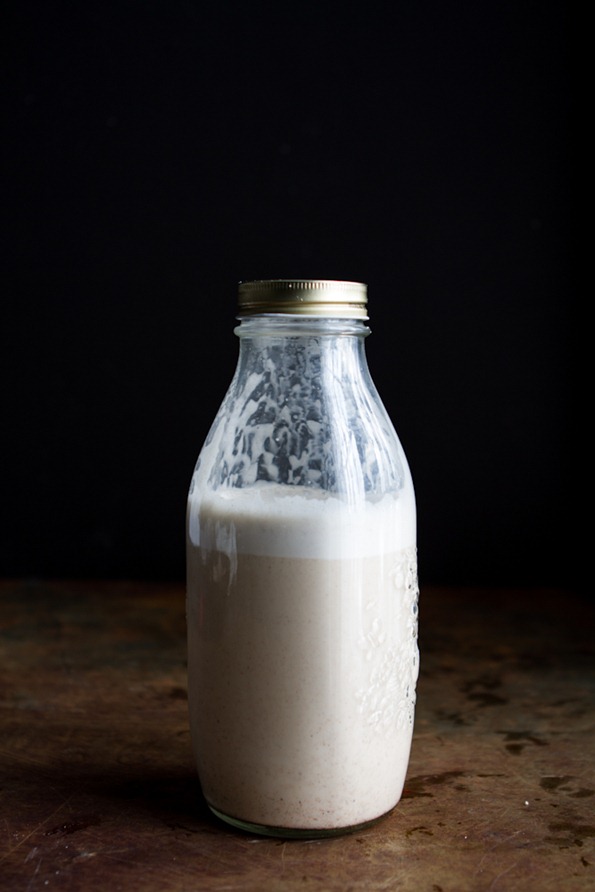
Almond Milk {with vanilla and cinnamon optional}

{image courtesy of Oh She Glows}

healthy food lifestyle :: 3 :: sugar + salt


Sugar/Sweeteners 

It should be common knowledge, but unfortunately it is not: sugar is absolutely terrible for you! Why is sugar bad for you? It is bad for you because it raises the insulin level in your blood dramatically. Raised blood insulin levels depress the immune system. If your immune system is depressed then your ability to fight disease is weakened. Raised blood insulin levels can also cause weight gain. Insulin promotes the storage of fat; so, when you eat foods high in refined sugar, you increase fat storage. Furthermore, refined sugar contains no vitamins or minerals so in order for sugar to be metabolized it must draw on the body’s reserve of vitamins and minerals. When these reserves are depleted, metabolization of cholesterol and fatty acid is impeded, contributing to higher blood serum triglycerides, cholesterol, promoting obesity due to higher fatty acid storage around organs.

Unfortunately, sugar, in one form or another, is hidden in SO many foods we eat. All of these ingredients are sugar by a different name:

  • Agave Nectar 
  • Barley Malt Syrup 
  • Beet Sugar 
  • Brown Rice Syrup 
  • Brown Sugar 
  • Cane Crystals 
  • Cane Juice
  • Cane Sugar 
  • Coconut Sugar, or Coconut Palm Sugar 
  • Corn sweetener 
  • Corn syrup, or corn syrup solids 
  • Dehydrated Cane Juice 
  • Dextrin 
  • Dextrose 
  • Evaporated Cane Juice 
  • Fructose 
  • Fruit juice concentrate 
  • Glucose High-fructose corn syrup 
  • Honey 
  • Lactose 
  • Maltodextrin 
  • Malt syrup 
  • Maltose 
  • Maple syrup 
  • Molasses 
  • Palm Sugar 
  • Raw sugar 
  • Rice Syrup 
  • Saccharose
  • Sorghum or sorghum syrup 
  • Sucrose 
  • Syrup 
  • Treacle 
  • Turbinado 
  • Sugar 
  • Xylose

Many different names, but it all has the same reaction in our bodies to one degree or another.

According to a study conducted at the Karolinska Institute in Stockholm, high sugar intake can be directly linked to cancer. For people who drink sugar syrup-based drinks twice a day or more, the risk of getting pancreatic cancer is 90% higher.

There are a lot of sugar and sweeteners out there and some are better than others as an alternative to the nasty stuff - not all sugars and sweeteners are created equal. Please do not substitute sugar for an artificial sweetener like Splenda or Equal; those are even worse! Below is a table that clarifies the good, bad, and the ugly among sugar and sweeteners.


Sweetener
What is it?
Bottom Line
White Table Sugar
Refined and processed - no nutrition
AVOID
 High Fructose Corn Syrup
No nutrition
 AVOID
Artificial Sweeteners


   -Splenda
Sucralose = Chemical
AVOID
   -Equal
Aspartame - #1 most reported ingredient to FDA as causing health problems
AVOID
  - Sweet & Low
saccharine - Chemical
AVOID
Stevia
natural herb, very sweet, need less than you would of regular sugar, other health benefits
GREAT- works well in hot and cold beverages, can be found at natural foods stores in bulk or individual packets
Agave Nectar
natural nectar extracted from the agave plant, low on the glycemic index, tastes similar to honey, milder than honey, raw and organic is ideal
GOOD - works well in hot and cold beverages, can be substituted for sugar when cooking and baking, found at natural food stores
Honey
better than table sugar, buy raw and organic
GOOD
Molasses + Maple Syrup

GOOD

In regards to artificial sweeteners, let's get really technical: here is an article that explains in much more detail about the artificial options and why they are so dangerous:
SUGAR SUBSTITUTES AND THE POTENTIAL DANGERS OF SPLENDA
by Marcelle Pick, OB/GYN NP
Splenda — the public health experiment 
“Low–sugar” is the successor to the “low–carb” craze, even though they are essentially the same thing. According to the New York Times, by the end of this summer 11% of the food items on supermarket shelves will be labeled “reduced sugar” — most of those targeted at kids and their health-conscious moms. Sales in granulated sugar have dropped four percent in the past six months. What’s behind this trend? Splenda.Products featuring Splenda are perceived as “natural” because even the FDA’s press release about sucralose parrots the claim that “it is made from sugar” — an assertion disputed by the Sugar Association, which is suing Splenda’s manufacturer, McNeil Nutritionals.The FDA has no definition for “natural,” so please bear with us for a biochemistry moment: Splenda is the trade name for sucralose, a synthetic compound stumbled upon in 1976 by scientists in Britain seeking a new pesticide formulation. It is true that the Splenda molecule is comprised of sucrose (sugar) — except that three of the hydroxyl groups in the molecule have been replaced by three chlorine atoms. 
While some industry experts claim the molecule is similar to table salt or sugar, other independent researchers say it has more in common with pesticides. That’s because the bonds holding the carbon and chlorine atoms together are more characteristic of a chlorocarbon than a salt — and most pesticides are chlorocarbons. The premise offered next is that just because something contains chlorine doesn’t guarantee that it’s toxic. And that is also true, but you and your family may prefer not to serve as test subjects for the latest post-market artificial sweetener experiment — however “unique.” 
Once it gets to the gut, sucralose goes largely unrecognized in the body as food — that’s why it has no calories. The majority of people don’t absorb a significant amount of Splenda in their small intestine — about 15% by some accounts. The irony is that your body tries to clear unrecognizable substances by digesting them, so it’s not unlikely that the healthier your gastrointestinal system is, the more you’ll absorb the chlorinated molecules of Splenda. 
So, is Splenda safe? The truth is we just don’t know yet. There are no long-term studies of the side effects of Splenda in humans. The manufacturer’s own short-term studies showed that very high doses of sucralose (far beyond what would be expected in an ordinary diet) caused shrunken thymus glands, enlarged livers, and kidney disorders in rodents. (A more recent study also shows that Splenda significantly decreases beneficial gut flora.) But in this case, the FDA decided that because these studies weren’t based on human test animals, they were not conclusive. Of course, rats had been chosen for the testing specifically because they metabolize sucralose more like humans than any other animal used for testing. In other words, the FDA has tried to have it both ways — they accepted the manufacturer’s studies on rats because the manufacturer had shown that rats and humans metabolize the sweetener in similar ways, but shrugged off the safety concerns on the grounds that rats and humans are different. In our view, determining that something is safe (or not) in laboratory rats isn’t a definitive answer, as we’ve seen countless examples of foods and drugs that have proved dangerous to humans that were first found to be safe in laboratory rats, both in short- and long-term studies. 
Here are two other reasons for our concern: first, in the eleven years after Splenda was put on the market, no independent studies of sucralose lasting more than six months have been done in humans. Second, none of the trials that were done was very large — the largest was 128 people studied for three months, making us wonder, what happens when you’ve used sucralose for a year, or two, or ten? Then there’s the fact that Splenda, as a product, consists of more than just sucralose—it’s made with dextrose, and sometimes also with maltodextrin, neither of which were included in the original studies and trials of sucralose. So the reality is that we are the guinea pigs for Splenda. 
And now, are our children the next trial group? Thanks to an agreement between McNeil Nutritionals (makers of Splenda) and PTO Today, which provides marketing and fund-raising aid to parents’ associations, your elementary school’s next bake sale may be sponsored by Splenda — complete with baked goods made with the product.Splenda side effects 
Evidence that there are side effects of Splenda is accumulating little by little. Sucralose has been implicated as a possible migraine trigger, for example. Self-reported adverse reactions to Splenda or sucralose collected by the Sucralose Toxicity Information Center include skin rashes/flushing, panic-like agitation, dizziness and numbness, diarrhea, swelling, muscle aches, headaches, intestinal cramping, bladder issues, and stomach pain. These show up at one end of the spectrum — in the people who have an allergy or sensitivity to the sucralose molecule. But no one can say to what degree consuming Splenda affects the rest of us, and there are no long-term studies in humans with large numbers of subjects to say one way or the other if it’s safe for everyone. 
If this sounds familiar, it should: we went down the same path with aspartame, the main ingredient in Equal and NutraSweet. Almost all of the independent research into aspartame found dangerous side effects in rodents. The FDA chose not to take these findings into account when it approved aspartame for public use. Over the course of 15 years, those same side effects increasingly appeared in humans. Not in everyone, of course — but in those who were vulnerable to the chemical structure of aspartame.As food additives, artificial sweeteners are not subject to the same gauntlet of FDA safety trials as pharmaceuticals. Most of the testing is funded by the food industry, which has a vested interest in the outcome. This can lead to misleading claims on both sides.But one thing is certain: some of the chemicals that comprise artificial sweeteners are known hazards — the degree to which you experience side effects just depends on your individual biochemistry. Manufacturers are banking on the fact that our bodies won’t absorb very much of these compounds at any one time. And many of us don’t. But what happens when we are ingesting a combination of artificial sweeteners like Splenda dozens of times a week through many different “low–sugar” or “sugar–free” products? 
People have been using artificial sweeteners for decades. Some react poorly, some don’t — the problem is, you never know until you’re already sick. Scientists are calling Splenda a mild mutagen, based on how much is absorbed. Right now, it’s anyone’s guess what portion of the population is being exposed to the dangers of Splenda or already suffering from Splenda side effects. Until an independent, unbiased research group conducts long-term studies on humans (six months is hardly long-term!), how can we be certain? With all the new Splenda products on our shelves, it looks as if we are now in the process of another grand public experiment — without our permission. And we may not know the health implications for decades. As with all things, time will unveil truth.So I urge you to be concerned about the potential dangers of Splenda — as with any unnatural substance you put in your body. And I am especially concerned about its use for children, which I recommend you avoid. But unlike many holistic practitioners, I do think artificial sweeteners can serve a purpose for some women. And that has to do with the old question — which is better, sugar or an artificial sweetener? Let’s start with sugar, where the problems all begin. 
Aspartame and saccharin: are they safer than Splenda? 
Aside from Splenda, the most popular artificial sweeteners are aspartame (and its cousin, neotame) and saccharin. Foods with these additives are marketed to women as low-fat, low-sugar, and low-calorie.Diet programs like Weight Watchers sell low-calorie foods that trade real nutrients for artificial ingredients, including sugar substitutes. I think it’s great to try and lose unwanted weight, but I question whether these packaged items should be marketed as healthy choices. Good nutrition needs to take more into account than calories and fat content — especially when it comes to how many artificial sweeteners we’re eating and what we’re mixing them with.
Dangers in aspartame
Aspartame, the main ingredient in Equal and NutraSweet, is responsible for the most serious cases of poisoning, because the body actually digests it. Aspartame should be avoided by most women, but particularly in those with neuropsychiatric concerns. Recent studies in Europe show that aspartame use can result in an accumulation of formaldehyde in the brain, which can damage your central nervous system and immune system and cause genetic trauma. The FDA admits this is true, but claims the amount is low enough in most that it shouldn’t raise concern. I think any amount of formaldehyde in your brain is too much.Aspartame has had the most complaints of any food additive available to the public. It’s been linked with MS, lupus, fibromyalgia and other central nervous disorders. Possible side effects of aspartame include headaches, migraines, panic attacks, dizziness, irritability, nausea, intestinal discomfort, skin rash, and nervousness. Some researchers have linked aspartame with depression and manic episodes. It may also contribute to male infertility.  
Saccharin 
Saccharin, the first widely available chemical sweetener, is hardly mentioned any more. Better-tasting NutraSweet took its place in almost every diet soda, but saccharin is still an ingredient in some prepared foods, gum, and over-the-counter medicines. Remember those carcinogen warnings on the side of products that contained saccharin? They no longer appear because industry testing showed that saccharin only caused bladder cancer in rats. Most researchers agree that in sufficient doses, saccharin is carcinogenic in humans. The question is, how do you know how much artificial sweeteners your individual body can tolerate? 
That being said, some practitioners think saccharin in moderation is the best choice if you must have an artificially sweetened beverage or food product. It’s been around a relatively long time and seems to cause fewer problems than aspartame. I don’t argue with this recommendation, but I encourage you to find out as much as you can about any chemical before you ingest it. 
Artificial sweeteners are body toxins. They are never a good idea for pregnant women, children or teenagers — despite the reduced sugar content — because of possible irreversible cell damage. If you decide it’s worth the risks, then go ahead, but pay attention to your body and your cravings. Once you start tracking your response to artificial sweeteners, it may surprise you.
Cooking without Sugar and Artificial Sweeteners 

When cooking and baking, you can often substitute one of the “GREAT” or "GOOD" choices from above in the place of regular, white table sugar. I often times substitute agave nectar, coconut sugar, maple syrup, or dates, and since most recipes call for too much sugar, I decrease my measurement a little.

According to the August 2009 issue of Women’s Health magazine, these substitutions are sure to work:

Sugar Substitutes
If you are making
Instead of
Use
Bread
1/8 cup sugar
1/8 cup date sugar (found in natural food stores)
Cake or Frosting
1/4 cup sugar
2-4 tablespoons pure maple syrup
Coffee Cake
1/8 cup sugar
2 tablespoons raw organic honey
Chocolate Chip Cookies
3/4 cup sugar
2 tablespoons molasses

A Little More About Stevia 

Stevia is a sweetener that is extracted from the Stevia plant and is an all-natural, no-chemical sweetener. Its sweetness is more concentrated than sugar, so you generally need to use less. Because Stevia is all-natural, it has several health benefits including that it is antimicrobial, it helps to balance blood sugar, it reduces cravings for sweets, and it aides in digestion. Stevia doesn’t have any calories. Stevia has no reading on the glycemic index, making it safe for diabetics.

UPDATE: The Spunky Coconut posted a great article about Stevia, including more about what it is and why some brands are better than others.

Salt/Sodium 

Sodium itself is not bad for us, it is an electrolyte that our and works with other nutrients in our body to help maintain blood volume and transmit nerve pulses, for example. We all know that too much sodium is not good for us, it has been linked to hypertension and high blood pressure. Sodium is naturally occurring in many foods, or is added to food or medications during preparation, cooking, or processing. Sodium can be hiding in many foods including soups, canned vegetables, and broths. However, any food with more than 48 mg of sodium should be considered a high sodium food. Other high sodium foods that should be avoided, not only because they are high in sodium but also because they are highly processed, are frozen dinners, potato chips, many cheeses, and processed tomato products (tomato sauce, tomato paste).

Regular table salt (Morton’s) is refined salt which has had all the minerals taken out of it using chemicals such as sulfuric acid, chlorine, and hydrochloric acid. When they remove the minerals, they add sugar, bicarbonate or soda, and other chemicals. When it is all said and done, it isn’t truly salt anymore. For generations people have been fooled into thinking they were using salt, when they were actually using a chemical cocktail disguised as salt. Use of this kind of salt can lead to blood pressure issues, excess iodine buildup in the body, and impaired thyroid function. When reading labels you should not only look for sodium in the ingredients, but also baking soda, baking powder, MSG, and disodium phosphate as these are all sources of sodium.

When using “table salt”, instead of using the processed version such as Morton’s, reach for a Celtic Sea Salt. Celtic Sea Salt is also has other minerals that are good for you.

Celtic Sea Salt

Celtic Sea Salt not only contains natural sodium, but also has other minerals including iodine. These minerals are healthy for our bodies and unlike Morton’s, Celtic Sea Salt does not throw our body out of balance. Celtic Sea Salt often comes clumpy and needs to be pinched or used in a salt grinder.

 Real, unprocessed salt, such as Celtic Sea Salt, is alkalizing to our body’s tissues and is loaded with trace minerals that keep our bodies in balance. Celtic sea sale contains traces of over 20 minerals, and the key here is that one mineral alone isn’t as effective as the work minerals can so when they work together. For instance, a proper calcium-phosphorus balance is necessary to the body’s ability to be resistant to disease, combat fatigue, keep mental faculties sharp, and prevent premature aging. Magnesium can only be processed and properly used by our bodies when calcium and phosphorus as in proper balance. Obtaining these minerals from whole food sources, as opposed to supplements, provides our body with the wide range of minerals it needs.

 However, it is important to mention, that even “healthy” salt needs to be used within guidelines for sodium intake and should not be overused.

High Sodium Foods to Avoid

Breads & Cereals
Breads, rolls, and crackers with salted tops

Fats
Bacon
Many bottled salad dressings

Meats
Bacon
Bologna
Canned Meats
Chipped Beef
Corned Beef
Cured Meats
Frankfurters
Ham
Kosher Meats
Salami
Sausage
Smoked Meats

Cheeses
Cheese Foods
Cheese Spreads
Cottage Cheese
Cream Cheese
Processed Cheese
Ricotta Cheese

Fish
Anchovies
Canned Fish
Caviar
Herring
Salted Fish
Sardines
Smoked Fish

Desserts & Snacks
Pretzels
Salted Nuts
Salted Popcorn
Chips
Soda Pop

Seasonings
Soy Sauce
Baking Powder and Soda
BBQ Sauce
Catsup/Ketchup
Celery Salt
Chili Sauce
Cooking Wine
Garlic Salt
Hot Sauce
Worchestershire Sauce
Meat Sauces
Meat Tenderizers
Monosodium Glutamate (MSG)
Onion Salt
Sea Salt

Vegetables
Brine-cured Vegetables
Frozen Lima Beans
Frozen Peas
Hominy
Pork & Beans
Canned Juice
Canned Vegetables
Sauerkraut

Miscellaneous
Bouillon
Canned, frozen, dried Soup
Relishes
Pickles
Olives


Favorite Recipe No.3
Grain Free Peanut Butter Chocolate Chip Cookie Bites

These cookie bites do not contain any refined sugar, but you will not miss it. They are delicious and plenty sweet.

LinkWithin

Related Posts Plugin for WordPress, Blogger...

ShareThis